
 Island
Featured Property
Lorem ipsum dolor sit amet, consectetur adipiscing elit. Donec volutpat nec purus eget porta. Aliquam ebendum erat. Donec dui eros, tincidunt at felis non, tristique aliquet ex. Aenean luctus, orci condimentum cursus, quam lorem vulputate ligula, ac pretium risus metus non est. Cras rutrum dolor in tortor ultrices, ullamcorper finibus magna sollicitudin. Vivamus sed massa sit amet diam porta dignissim at in lorem. In facilisis quis erat at tempus. Aliquam semper diam mollis mollis. Mauris dictum, ante ac interdum.
Astibulum, nibh ipsum condimentum felis, quis luctus nisi nisl sed orci. Pellentesque habitant morbi tristique senectus et netus et malesuada fames ac turpis egestas. Sed tempus puet rutrum ultrces. Cras pretium pretium odio aliquam tortor interduma. Morbi commodo egestas mauris, et porttitor ipsum iaculis fermentum. Phasellus ante nibh, posuere gravida odio mattis cursus.
 Travel
How To Get Lips Lipstick Ready
Lorem ipsum dolor sit amet, consectetur adipiscing elit. Donec volutpat nec purus eget porta. Aliquam ebendum erat. Donec dui eros, tincidunt at felis non, tristique aliquet ex. Aenean luctus, orci condimentum cursus, quam lorem vulputate ligula, ac pretium risus metus non est. Cras rutrum dolor in tortor ultrices, ullamcorper finibus magna sollicitudin. Vivamus sed massa sit amet diam porta dignissim at in lorem. In facilisis quis erat at tempus. Aliquam semper diam mollis mollis. Mauris dictum, ante ac interdum.
Astibulum, nibh ipsum condimentum felis, quis luctus nisi nisl sed orci. Pellentesque habitant morbi tristique senectus et netus et malesuada fames ac turpis egestas. Sed tempus puet rutrum ultrces. Cras pretium pretium odio aliquam tortor interduma. Morbi commodo egestas mauris, et porttitor ipsum iaculis fermentum. Phasellus ante nibh, posuere gravida odio mattis cursus
 Travel
When it all Just Works
Lorem ipsum dolor sit amet, consectetur adipiscing elit. Donec volutpat nec purus eget porta. Aliquam ebendum erat. Donec dui eros, tincidunt at felis non, tristique aliquet ex. Aenean luctus, orci condimentum cursus, quam lorem vulputate ligula, ac pretium risus metus non est. Cras rutrum dolor in tortor ultrices, ullamcorper finibus magna sollicitudin. Vivamus sed massa sit amet diam porta dignissim at in lorem. In facilisis quis erat at tempus. Aliquam semper diam mollis mollis. Mauris dictum, ante ac interdum.
Astibulum, nibh ipsum condimentum felis, quis luctus nisi nisl sed orci. Pellentesque habitant morbi tristique senectus et netus et malesuada fames ac turpis egestas. Sed tempus puet rutrum ultrces. Cras pretium pretium odio aliquam tortor interduma. Morbi commodo egestas mauris, et porttitor ipsum iaculis fermentum. Phasellus ante nibh, posuere gravida odio mattis cursus.
 Travel
The Effortless Australian Label
Lorem ipsum dolor sit amet, consectetur adipiscing elit. Donec volutpat nec purus eget porta. Aliquam ebendum erat. Donec dui eros, tincidunt at felis non, tristique aliquet ex. Aenean luctus, orci condimentum cursus, quam lorem vulputate ligula, ac pretium risus metus non est. Cras rutrum dolor in tortor ultrices, ullamcorper finibus magna sollicitudin. Vivamus sed massa sit amet diam porta dignissim at in lorem. In facilisis quis erat at tempus. Aliquam semper diam mollis mollis. Mauris dictum, ante ac interdum.
Astibulum, nibh ipsum condimentum felis, quis luctus nisi nisl sed orci. Pellentesque habitant morbi tristique senectus et netus et malesuada fames ac turpis egestas. Sed tempus puet rutrum ultrces. Cras pretium pretium odio aliquam tortor interduma. Morbi commodo egestas mauris, et porttitor ipsum iaculis fermentum. Phasellus ante nibh, posuere gravida odio mattis cursus.
 Island
Your Glasses Seasonal Update
Lorem ipsum dolor sit amet, consectetur adipiscing elit. Donec volutpat nec purus eget porta. Aliquam ebendum erat. Donec dui eros, tincidunt at felis non, tristique aliquet ex. Aenean luctus, orci condimentum cursus, quam lorem vulputate ligula, ac pretium risus metus non est. Cras rutrum dolor in tortor ultrices, ullamcorper finibus magna sollicitudin. Vivamus sed massa sit amet diam porta dignissim at in lorem. In facilisis quis erat at tempus. Aliquam semper diam mollis mollis. Mauris dictum, ante ac interdum.
Astibulum, nibh ipsum condimentum felis, quis luctus nisi nisl sed orci. Pellentesque habitant morbi tristique senectus et netus et malesuada fames ac turpis egestas. Sed tempus puet rutrum ultrces. Cras pretium pretium odio aliquam tortor interduma. Morbi commodo egestas mauris, et porttitor ipsum iaculis fermentum. Phasellus ante nibh, posuere gravida odio mattis cursus
 Chop City
THE TRANSFORMATIVE POWER OF AGRICULTURAL GROWTH IN AFRICA
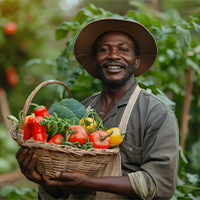
Agriculture has been the backbone of Africa’s economy for centuries, supporting the livelihoods of millions and shaping the continent’s cultural identity.
Agriculture in Africa plays a pivotal role in the continent’s economic development. By expanding agricultural production, countries can significantly reduce poverty and enhance livelihoods. Increased agricultural productivity leads to higher incomes for farmers, which in turn boosts demand for goods and services, fostering broader economic growth.
Through modernization and investment in technology, Africa can increase agricultural yields and tap into new markets. This not only creates jobs within the farming community but also in related sectors such as agro-processing, logistics, and retail. For instance, establishing agro-processing industries adds value to raw agricultural products, creating new employment opportunities while fostering economic diversification Moreover, agriculture holds the key to combating hunger and malnutrition, which remain persistent challenges in many African countries. By enhancing agricultural productivity, Africa can achieve greater food security and reduce reliance on food imports. Local production of food staples can stabilize food prices and ensure a steady supply of affordable, nutritious food for the population.
Additionally, sustainable agriculture can contribute to Africa’s goals of carbon sequestration. By promoting practices like the restoration of degraded land and the use of organic farming techniques, the agricultural sector can become a powerful tool in mitigating climate change. This not only benefits the environment but also enhances resilience to climate shocks, ensuring that farmers can continue to produce food even in the face of unpredictable weather patterns.
In conclusion, the transformative power of agricultural growth in Africa cannot be overstated. Agriculture is not just a means of livelihood; it is a foundation for economic growth, food security, environmental sustainability, and social equity. By investing in agricultural infrastructure, technology, gender equality, and climate-smart practices, Africa can unleash its full agricultural potential, providing millions with the opportunity to thrive.
For Africa to fully realize the transformative power of agriculture, it must however prioritize policies and investments that foster sustainable growth, equitable development, and resilience.
THINK FANDYTV, THINK INNOVATION!!! Altapaulas Clothing
Threads of Tradition: Where Culture Meets the Heart”
Picture: Man wearing the Yoruba Agbada attire
Fashion is more than just a statement of course it’s a storytelling tapestry woven from the threads of tradition, culture, and identity. Every stitch, every fold, and every drape is a testament to the rich heritage of a community, a people, and a place.
When culture meets the heart, fashion transcends mere aesthetics. It becomes a powerful language, speaking volumes about our values, our history, and our soul. From the intricate embroidery of African dashikis to the delicate silk patterns of Japanese kimonos, every garment is a wearable work of art, imbued with the essence of its cultural roots.
In this beautiful dance between culture and fashion, we find the perfect harmony of tradition and innovation. We see it in the vibrant colors of Indian saris, the elegant lines of Korean hanboks, and the bold prints of African Ankara. Each piece is a masterful blend of heritage and haute couture, reflecting the ever-changing tides of cultural expression.
As we celebrate the diversity of fashion, we also honor the people who wear it. We see the confidence of a woman in a flowing abaya, the pride of a man in a traditional Scottish kilt, and the joy of a child in a colorful Hawaiian hula dress. Fashion is not just about clothes – it’s about the people who bring them to life.
From runway shows to street style, fashion is a reflection of our global community. It’s a celebration of our differences and a testament to our shared humanity. When culture meets the heart, fashion becomes a powerful symbol of our connection to each other and to our heritage.
In the world of fashion, cultural exchange is a beautiful thing. It’s a dialogue between designers, artisans, and wearers, each contributing their unique perspective to the conversation. It’s a celebration of tradition, innovation, and creativity.
As we look to the future of fashion, we must remember the importance of cultural sensitivity and awareness. We must honor the traditions and heritage of the cultures that inspire us, and we must celebrate the diversity that makes fashion so rich and vibrant.
In the end, fashion is a universal language, spoken by hearts and souls from every corner of the globe. It’s a language that transcends borders, cultures, and generations. When culture meets the heart, fashion becomes a powerful symbol of our shared humanity a testament to the beauty, diversity, and richness of our global community.
Think fashion, think Fandyafrica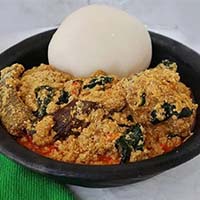 Chop City
African Cuisines
Africa is a continent rich in diverse cultures, each with unique traditions, languages, and customs. From the vibrant festivals of Nigeria to the intricate beadwork of the Maasai in Kenya, African cultures are deeply rooted in history and community.
Food:
African cuisine varies widely across regions. In West Africa, dishes like Jollof Rice (popular in Nigeria, Ghana, and Senegal) the Ghanaians and Nigerians are still in an inexhaustible war on who amongst the duo has the best Jollof rice 😂😂😂 and Egusi Soup are staples. In North Africa, Couscous, Tagine, and Hariri soup are widely enjoyed. East Africa is known for Ugali(Kenya and Tanzania) and Injera with Doro Wat (Ethiopia). Southern Africa features Pap and Chakalaka in South Africa and Sadza in Zimbabwe.
Food in Africa is not just about nourishment, it’s a way of bringing people together, showcasing hospitality, and preserving cultural heritage. Whether spicy, savory, or sweet, every dish tells a story of its people and traditions.
 Our Heritage
The Zulu Tribe of South Africa
The Zulu tribe of South Africa has a rich cultural heritage, with several uncommon traditions that may not be widely known:
Umhlanga (Reed Dance) for Royal Women – While the Reed Dance is well known, an uncommon aspect is that unmarried royal women often do not cut their hair until they are married. This symbolizes purity and readiness for marriage.
Ukuhlolwa Kwevuso (Virginity Testing) – This traditional practice is performed to ensure that young girls remain chaste before marriage. Though controversial in modern times, it is still observed in some rural areas.
Isivivane (Stone Pile Ritual) – Travelers throw a stone onto a sacred pile when passing by certain locations as a way to seek blessings from ancestral spirits and ensure a safe journey.
Ukusina (Victory Dance) – Unlike regular Zulu war dances, this lesser-known dance is performed by warriors who have won a battle or by young men who have successfully completed initiation rites.
Ilobolo Negotiations with Symbolic Cattle Exchange – While the bride price (lobola) is widely practiced, an uncommon tradition involves gifting a specific “ancestor cow” (inkomo yohlanga) to symbolize the union between the two families on a spiritual level.
Rainmaking Ceremonies – Some Zulu communities still practice rainmaking rituals, where elders and spiritual leaders call upon ancestors to bring rain during droughts by offering traditional beer and invoking prayers.
 Altapaulas Clothing
The Essence of African Culture in Fashion
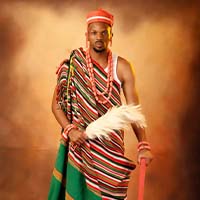
Picture: Esan men traditional wedding dressing, Edo State, Nigeria
Africa is a continent of diverse cultures, traditions, and artistic expressions. From the intricate beadwork of the Maasai in East Africa to the bold, handwoven Kente cloth of Ghana, African fashion tells a story of identity, history, and resilience. Each pattern, color, and design holds meaning whether symbolizing royalty, unity, or spirituality.
Fashion in Africa has always been more than just clothing; it is a medium of communication, a representation of heritage, and a celebration of creativity. Traditional techniques such as Adire (tie-dye) from Nigeria, Bogolanfini (mud cloth) from Mali, and the elaborate embroidery of North Africa have been passed down for generations, preserving the craftsmanship and ingenuity of African artisans.
Today, African fashion is making waves on global runways, embraced for its authenticity and bold aesthetics. Designers across the continent are blending traditional styles with modern influences, creating a fusion that resonates with both local and international audiences. This rise in African fashion signifies a reclaiming of cultural identity and a challenge to the dominance of Western trends.
Beyond style, African fashion is an economic powerhouse. It provides jobs, supports local industries, and empowers young creatives to tell their stories through design. As the world turns its attention to sustainable and ethical fashion, Africa stands as a beacon of inspiration, with its rich tradition of handmade, ecofriendly textiles.
By investing in African fashion, we are not just embracing style, we are preserving history, empowering communities, and sharing Africa’s vibrant spirit with the world.