Our Heritage

The Zulu Tribe of South Africa

The Zulu tribe of South Africa has a rich cultural heritage, with several uncommon traditions that may not be widely known:

Umhlanga (Reed Dance) for Royal Women – While the Reed Dance is well known, an uncommon aspect is that unmarried royal women often do not cut their hair until they are married. This symbolizes purity and readiness for marriage.
Ukuhlolwa Kwevuso (Virginity Testing) – This traditional practice is performed to ensure that young girls remain chaste before marriage. Though controversial in modern times, it is still observed in some rural areas.
Isivivane (Stone Pile Ritual) – Travelers throw a stone onto a sacred pile when passing by certain locations as a way to seek blessings from ancestral spirits and ensure a safe journey.
Ukusina (Victory Dance) – Unlike regular Zulu war dances, this lesser-known dance is performed by warriors who have won a battle or by young men who have successfully completed initiation rites.
Ilobolo Negotiations with Symbolic Cattle Exchange – While the bride price (lobola) is widely practiced, an uncommon tradition involves gifting a specific “ancestor cow” (inkomo yohlanga) to symbolize the union between the two families on a spiritual level.
Rainmaking Ceremonies – Some Zulu communities still practice rainmaking rituals, where elders and spiritual leaders call upon ancestors to bring rain during droughts by offering traditional beer and invoking prayers.

Our Heritage

KALABARI TRADITIONAL WEDDING

Kalabari traditional weddings in Nigeria involve various rituals, including “buying the mouth” (Bibife), and the groom is required to provide a list of items to the bride’s family.

Three types of marriage exist: Iya (highest and most expensive), Igwa, and Waribiobesime. Divorce is not permitted in Iya marriages.

Key aspects of Kalabari traditional weddings:

Bibife (Buying the Mouth):

This ceremony signifies that the bride cannot eat in her husband’s house until her “mouth” is purchased, and her family can eat in the house.

Groom’s Responsibility: The groom is expected to provide a list of items or monetary gifts to the bride’s family before the wedding.

Types of Marriages:

  1. Iya: The most lawful and expensive form of marriage, with no divorce allowed.
  2. Igwa: A form of marriage.
  3. Waribiobesime: A form of marriage.

Betrothal Gift: Betrothal gifts are an indicator of social relationship between families, not legal consequences

Ari Ibara Emi: The cheapest form of marriage recognized in Kalabari, where the bride is considered “with me” and her parents should not seek her elsewhere.

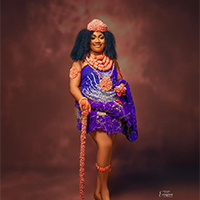
The Traditional wedding attire

This includes a Mgbeete, which is a collection of various wrappers tied around the waist, often paired with a blouse, corals, and a cap. The attire signifies the bride’s traditional identity and the rich cultural heritage of the Kalabari people.

Mgbeete: The Mgbeete is the main traditional attire for an Onne-Eleme maiden, representing a collection of wrappers tied around the waist.

Blouse: The Mgbeete is often paired with a blouse, a common practice in Nigerian traditional attire.

Corals: Coral beads are a significant part of Kalabari ceremonial attire, symbolizing wealth and nobility.

Cap: A cap, often worn with the Mgbeete, adds to the overall traditional look.

Ekpé Mgbeete: The Ekpé Mgbeete, worn on the legs, is another element of the traditional Kalabari attire.

Significance: The Kalabari cultural attire is more than just clothing; it’s a symbol of the Kalabari people’s identity, heritage, and culture.

Cultural Preservation: The attire is a way for the Kalabari people to connect with their roots and preserve their culture for future generations.